Italian Pantry: Pecorino vs Parmigiano, Guanciale vs Pancetta
As an Amazon Associate I earn from qualifying purchases. We may also earn from Viator and GetYourGuide bookings. Disclosure
Pecorino Romano vs Parmigiano Reggiano
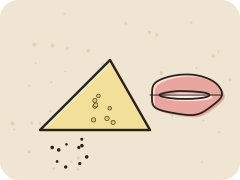
Pecorino Romano is made from sheep's milk: sharp, salty and tangy — the cheese of Roman pastas like cacio e pepe. Parmigiano Reggiano is cow's milk, aged at least 12 months: nutty, rounder and less salty, the cheese of northern dishes like risotto and ragù. Grate both finely and just before using.
Guanciale vs pancetta
Guanciale is cured pork jowl: more fat, a softer texture and a stronger flavour; used in carbonara and amatriciana. Pancetta is cured pork belly, leaner, sold flat or rolled; used in soffritto and ragù. Neither is smoked in the classic versions.
Other staples
Extra-virgin olive oil, good dried pasta (bronze-cut has a rougher surface that holds sauce), Carnaroli rice, tomato passata, anchovies and capers.
Substitutions
Substitution table
Substitutions: Italian Pantry: Cheeses and Cured Pork
If a recipe calls for
Try
Pecorino Romano
Parmigiano Reggiano or Grana Padano (milder, less salty)
Parmigiano Reggiano
Grana Padano
Guanciale
Pancetta, or unsmoked bacon
Pancetta
Unsmoked bacon
Tagliatelle (fresh)
Dried egg tagliatelle or pappardelle
Pantry & tools
Example listings
Chosen from product listings that match this guide. Details are paraphrased from each listing; WorldCooks hasn't used these items in a test log.
Rasp grater / zester
Microplane Classic Zester
A fine rasp grates hard cheese into fluffy shreds that melt evenly, and zests citrus and grates ginger.